Who actually did the work? On using AI responsibly in a company
A finished AI output does not always mean the work was done well. How do you set rules for using AI that protect your team’s accountability and skills?
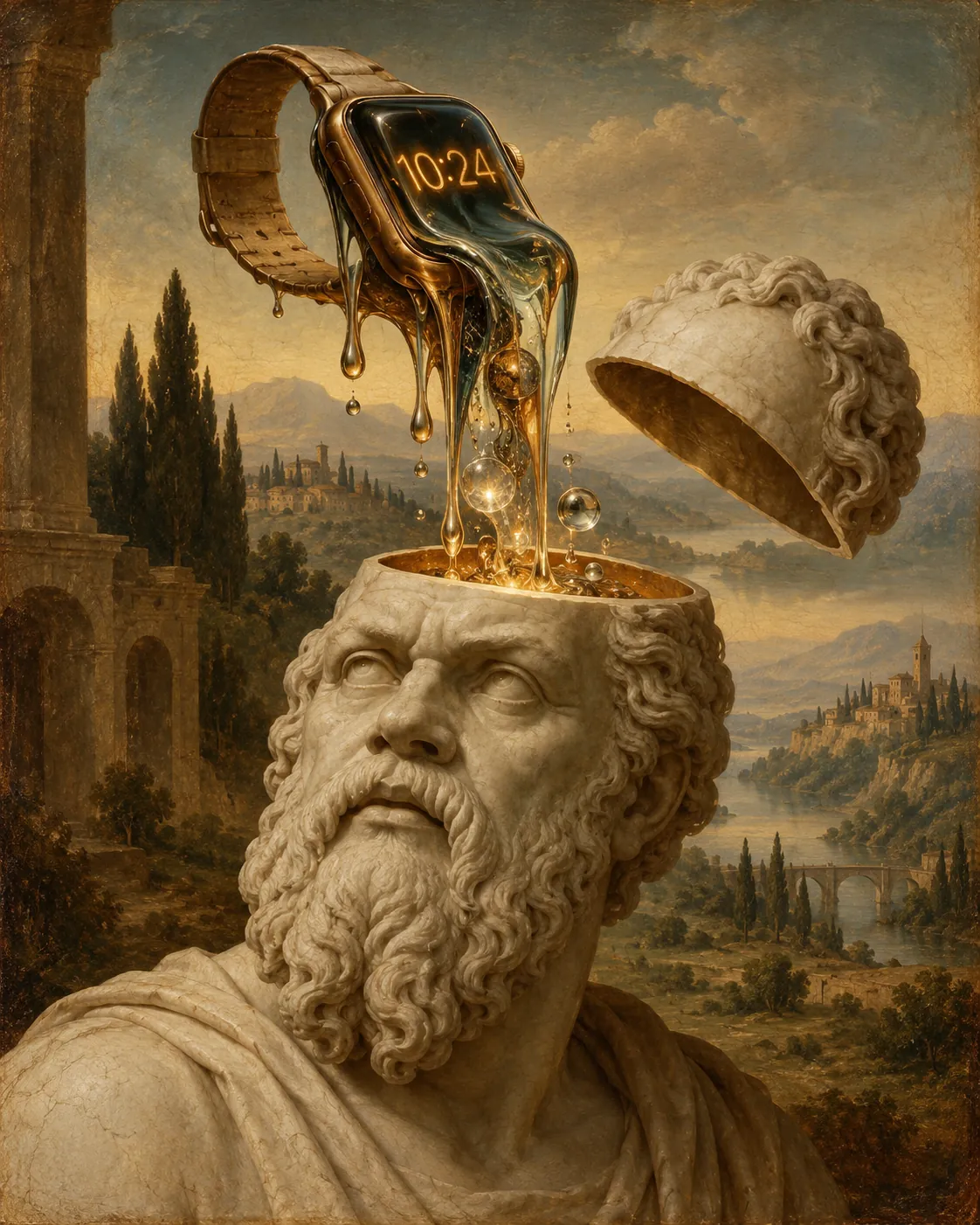
An employee hands in a document prepared with the help of artificial intelligence. It is well written, looks professional and is passed on under their name. But there is a question that the quality of the document does not answer: does the employee understand, and can they defend, what they have signed?
The finished result is only part of the work
When companies talk about AI, it is easy to focus on what the technology can do in place of a person. Writing, analysing information, preparing arguments and organising materials are all tasks a model can help with.
But being able to hand a task over to a model is not in itself a good enough reason to do so.
In my training sessions I divide uses of AI into developing and inhibiting ones. The first help a person gain knowledge, see different perspectives, spot their own cognitive biases and understand a problem better. The second let them avoid intellectual effort, and often the responsibility for the result along with it.
I am not setting good technology against bad technology. The same model can play both roles. If I ask it to criticise my own argument, I am using it to build my skills. If I tell it to write the argument and present it as my own without checking it, I am replacing my work with it.
For a company, this is an important difference. In the first case the employee does the task with support. In the second there is a risk that they will simply pass on a result they cannot assess themselves.

Not everything you can hand over to AI is worth handing over
In learning, what matters is not only the result but also the path that leads to it. Formulating arguments yourself, analysing conflicting information and looking for mistakes are the activities through which people practise their skills.
Using AI to take over these activities can be convenient. It will not always be good for the employee’s development, though.
I can picture two approaches here. In the first, the employee prepares their own position and then asks the model to point out its weak spots. They have to respond to the criticism, check the arguments and decide whether to change their mind. In the second, the employee asks for a ready-made position and accepts it without checking. The result may look similar, but the experience the employee gains is completely different.
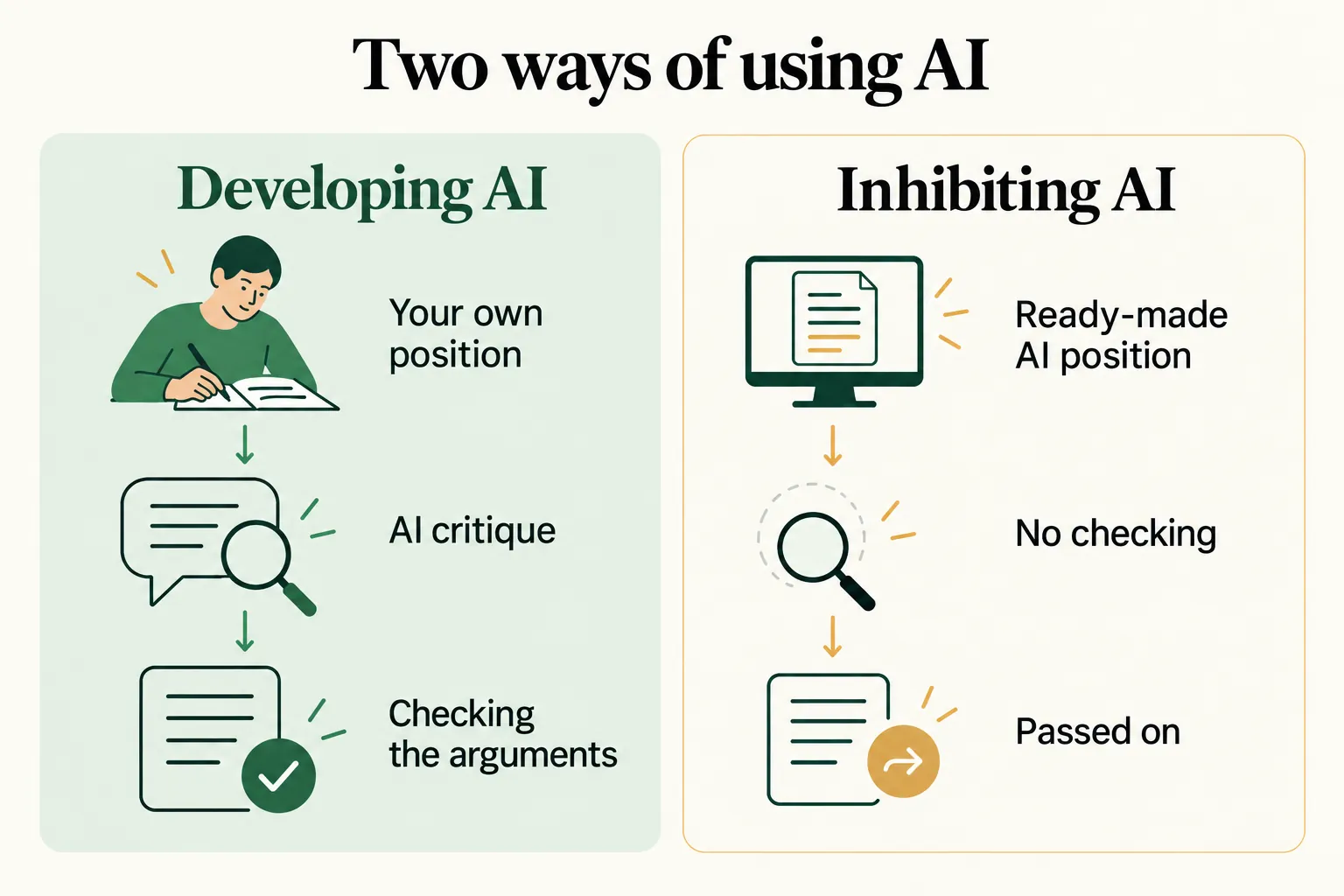
That is why I do not think the goal of rolling out AI should be to hand over to models every task they can perform. It is worth distinguishing tasks where the finished result is what counts from those where doing them yourself builds a skill.
This distinction is especially important when an organisation expects an employee not only to deliver a text or an analysis, but also to understand the issue and make decisions on their own.
Which rules for using AI should you teach your team?
In my training sessions I start by changing the way people put questions to the model. Instead of sticking to instructions like “write” or “prepare”, I also teach ones that tell the AI to ask questions, challenge assumptions and point out gaps in the reasoning.
This does not mean the model should make decisions for the employee. Quite the opposite. It should provide material that the employee assesses for themselves.
The second rule is verification. If a document goes out under a specific person’s name, that person should check its content. Using AI does not shift responsibility from the person to the tool. Nor is it enough to say that the text sounds convincing.
The third rule is about what you deliberately do not automate. I believe a company should leave room for tasks people do on their own, especially when those tasks build skills. Finishing a single task faster does not have to be the main goal.
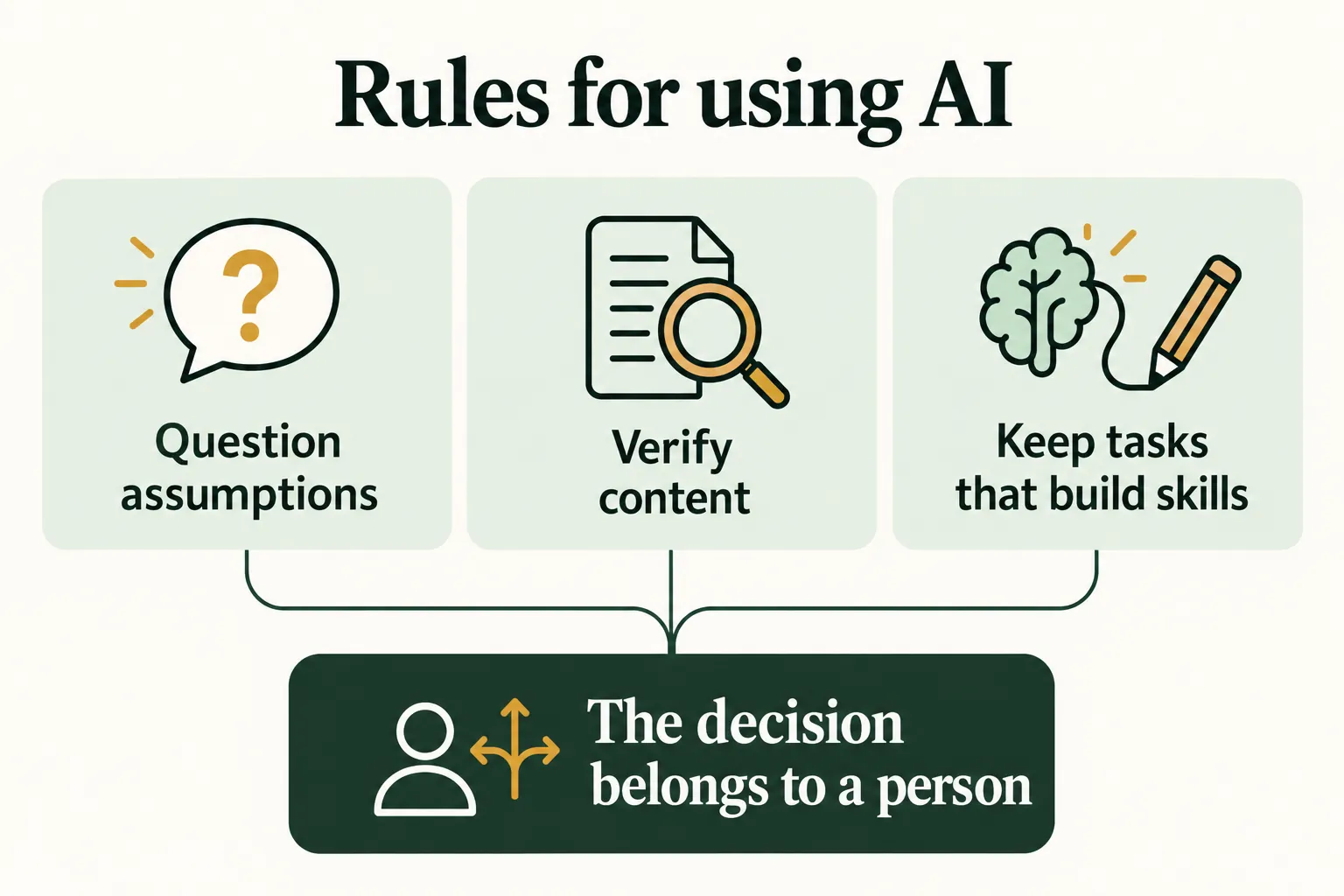
I do not need an elaborate classification of tools for this. I need a simple question that can be asked before handing work over to a model: when using AI, does the employee remain the person who understands the task, assesses the result and is accountable for the decision?
Not every automation weakens skills. Not every task done by hand develops them. But without consciously telling these situations apart, a company may start to confuse the efficient delivery of ready-made answers with the real skills of its team.
That is exactly why rules for using AI should cover not only what may be handed over to a model, but also what a person still has to answer for.
Translated from Polish. Read the original