A prettier image is not always a better one
One AI image was prettier, but I looked less like myself in it. Why I set the evaluation criteria before generating the result.
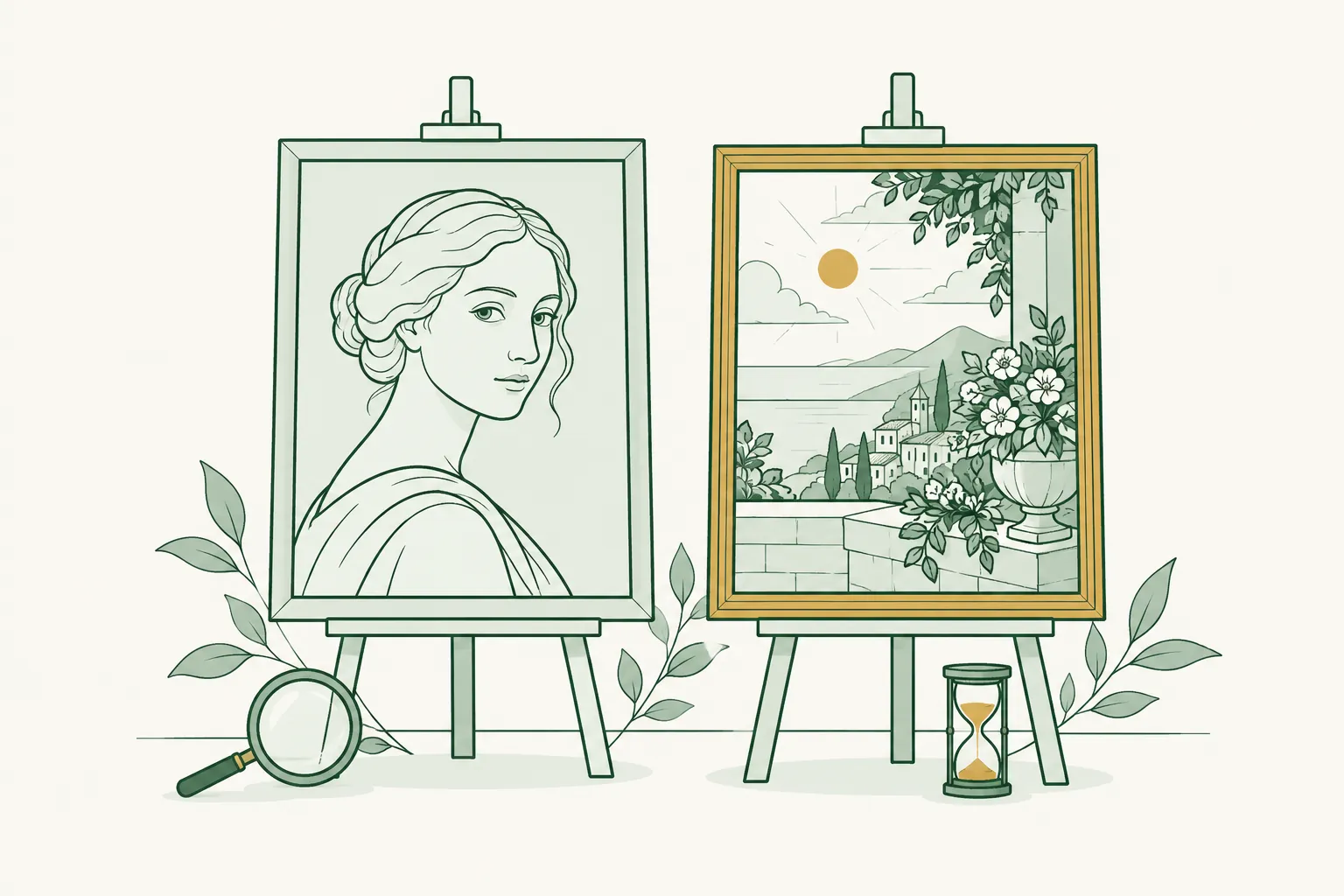
During a training session I compared two images generated in ChatGPT and in Gemini from the same prompt and the same photo. Visually I liked one result more: the colours, light and details looked more interesting. At the same time I had the impression that the person shown looked less like me. We also waited longer for that image.
The prettiest result does not necessarily serve the goal best.
So which result was better?
The question looks simple until you have to name the criteria. If I care about a recognisable figure, likeness may weigh more than striking lighting. If I need a quick sketch for a conversation, time matters. If I am creating an illustration where the person’s identity does not need to be preserved, I can choose the more attractive composition.
One trial is not a ranking
In this trial the participants could also have had different preferences. It was not a controlled benchmark, that is a systematic comparative test. We showed individual results. There is no basis for declaring a universal winner from them.
I approach the question “which AI is the best?” the same way. First I want to know: for what. In a report I am interested in different qualities than in a graphic, and in fixing a spreadsheet different ones again. In every case you also have to include the time needed for checking and corrections.
Criteria before generating
A practical test can start with a few of your own typical tasks. For each, decide before generating what a good result will mean. For a portrait: likeness, compliance with the prompt, number of errors and time. For a document analysis: correct findings, pointing out gaps and the possibility of finding the basis in the source.
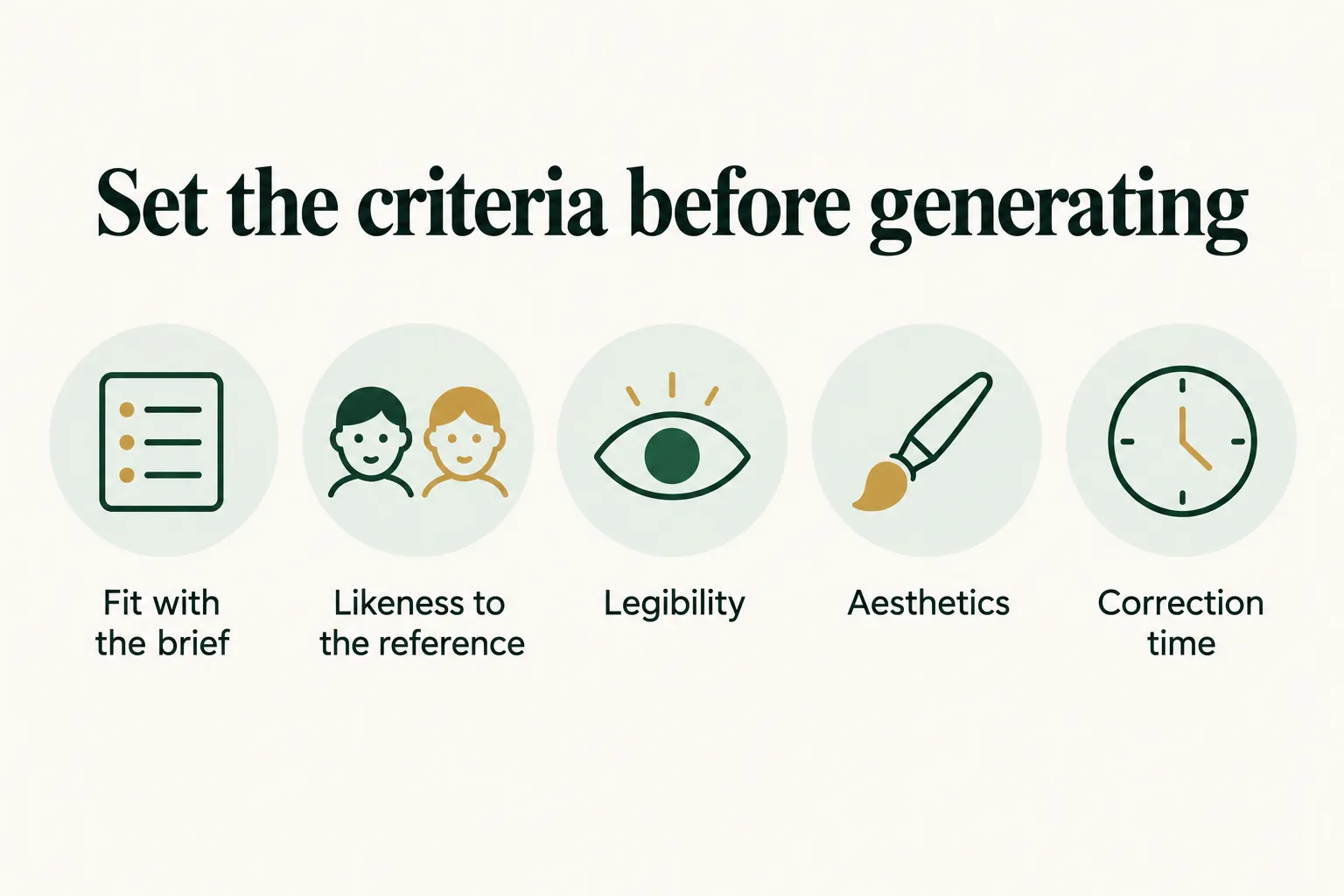
It is important that the criteria do not change after seeing the result just because one of the models did something spectacular. A beautiful image can distract from a wrong figure. An elegant report can distract from weak data.
What I liked most about the comparison at the training was precisely that the result did not give one obvious answer. You could see a trade-off. And that kind of judgement is what working with AI is about: being able to say which result better serves a specific task and what still needs fixing.
What this means for a company
When assessing AI images, you can separate the criteria: compliance with the brief, likeness to the reference material, legibility, aesthetics and correction time. Then the choice does not come down to a first impression.
Translated from Polish. Read the original